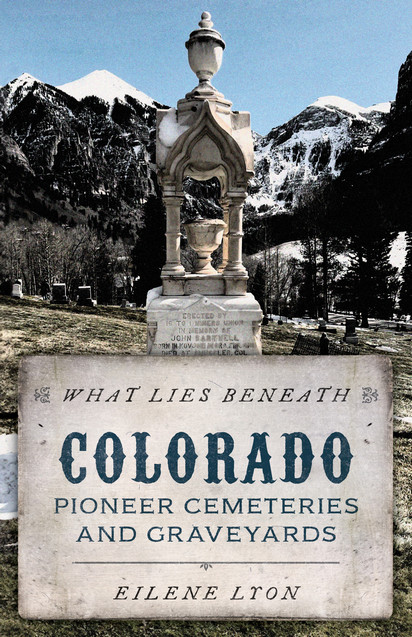
What Lies Beneath…Colorado Pioneer Cemeteries and Graveyards
Prior to becoming a territory in 1861, Colorado had several nominal “owners,” but in reality it was home to the Utes and various Plains tribes. The Spanish tried to conquer and settle the territory, but with little success. Though there were a couple trading posts in the early nineteenth century, and some trappers and explorers crossed the land beginning at least a century earlier, no permanent Euro-American settlement occurred until 1851.
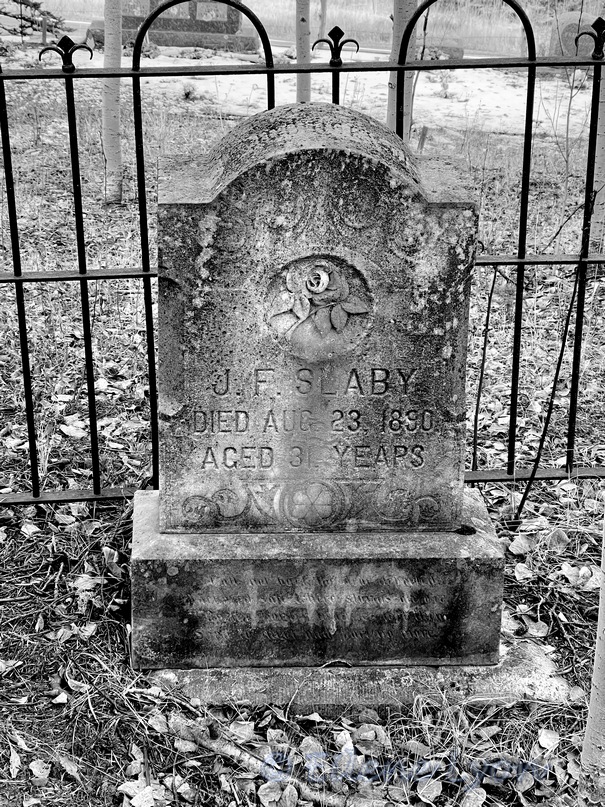
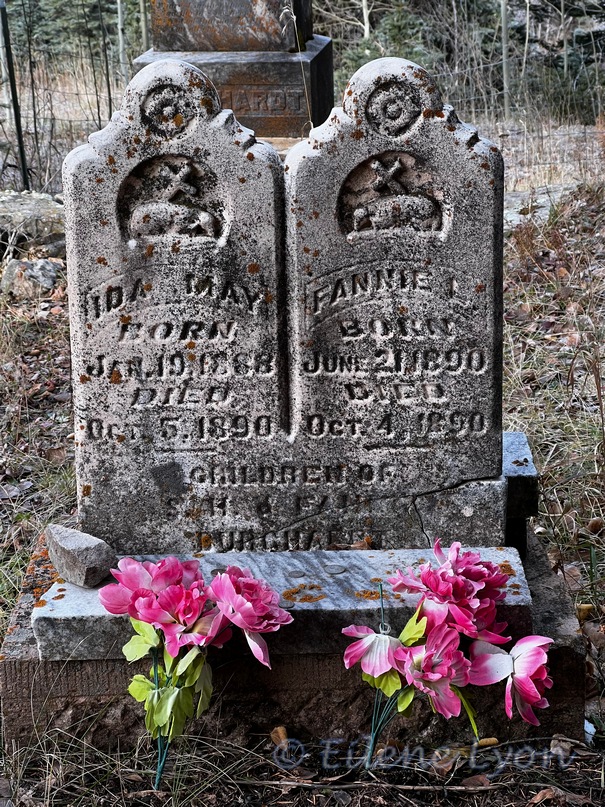
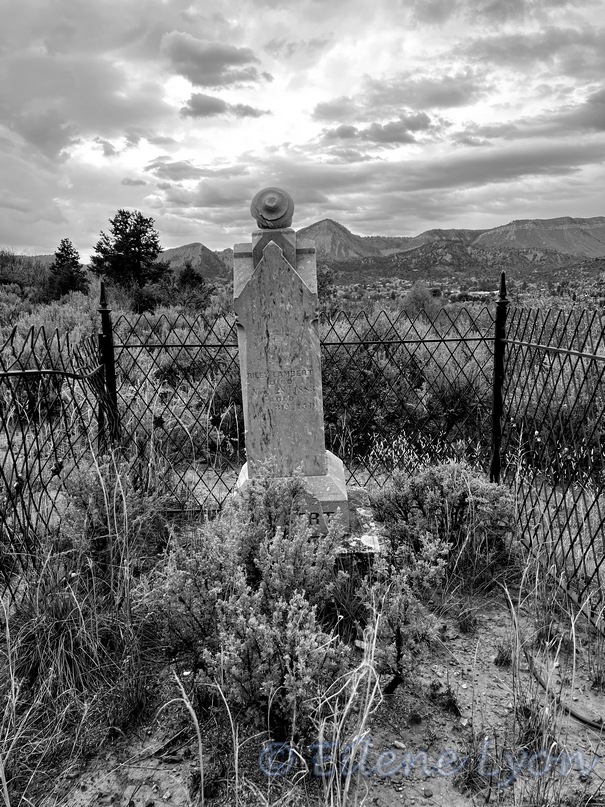
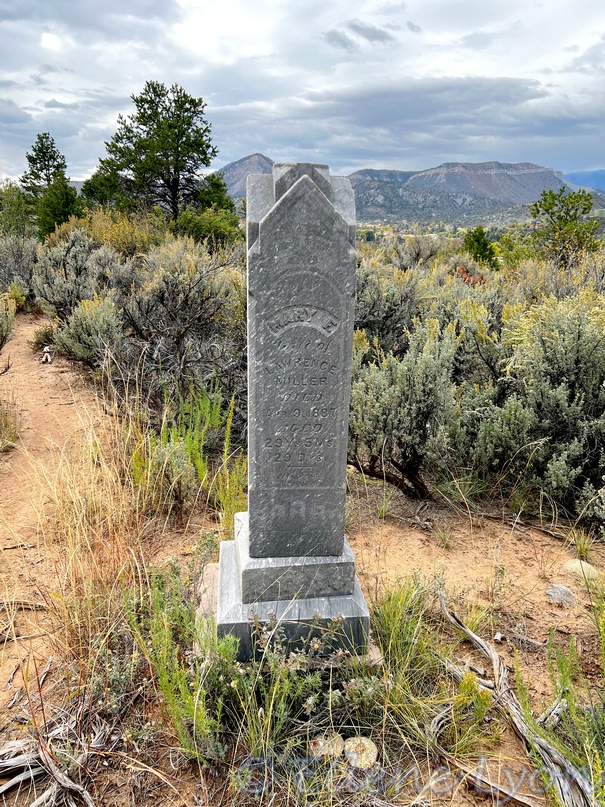
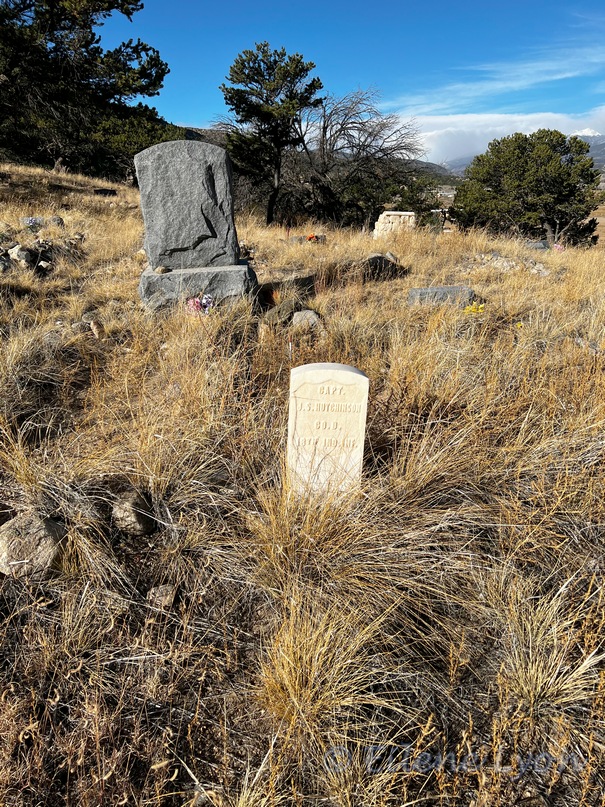
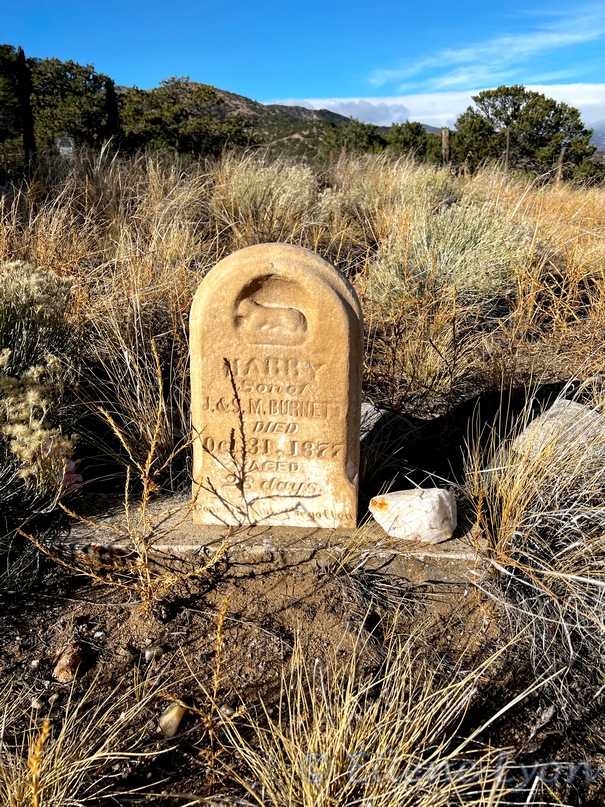
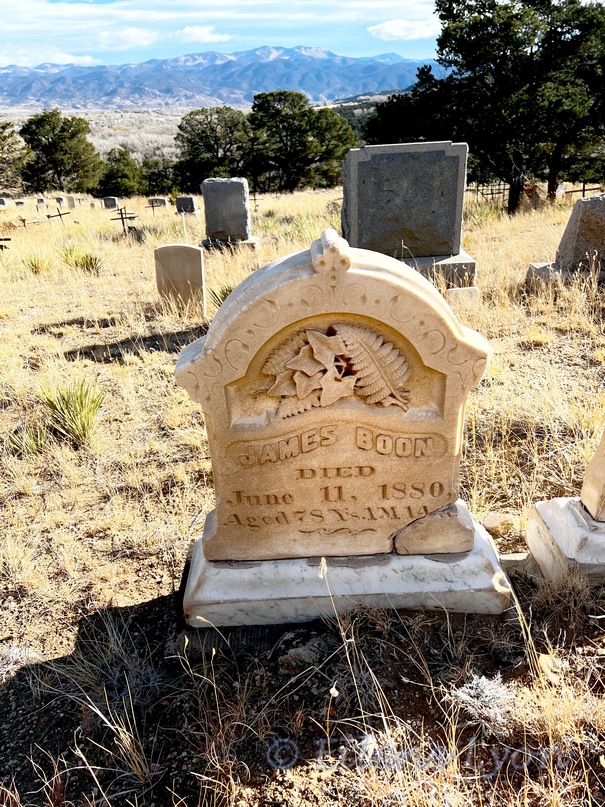
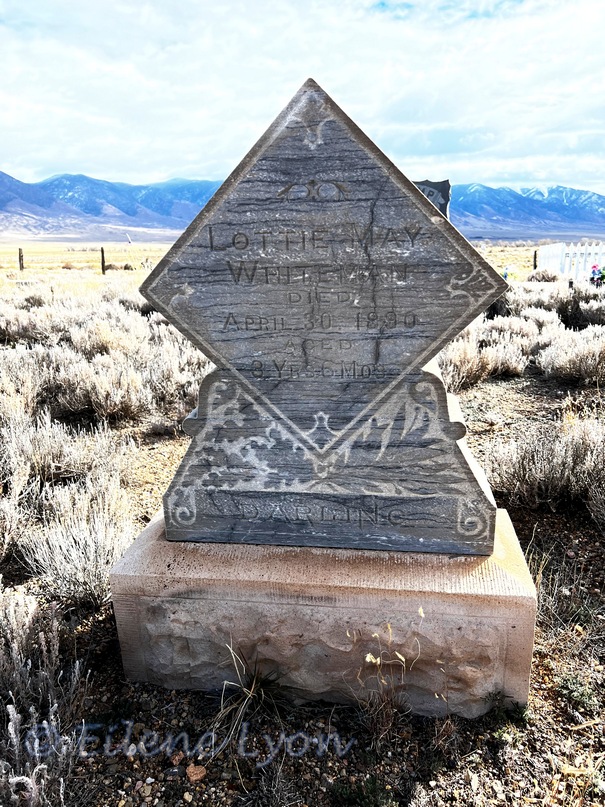
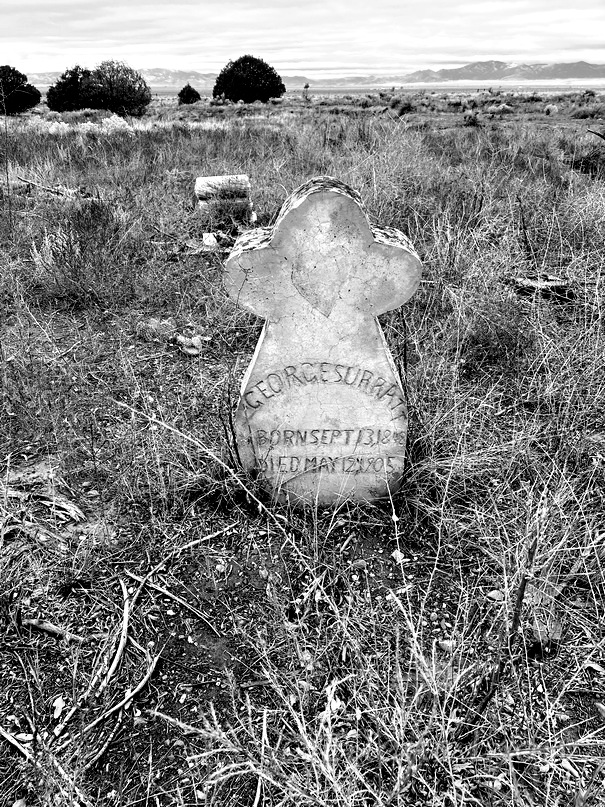
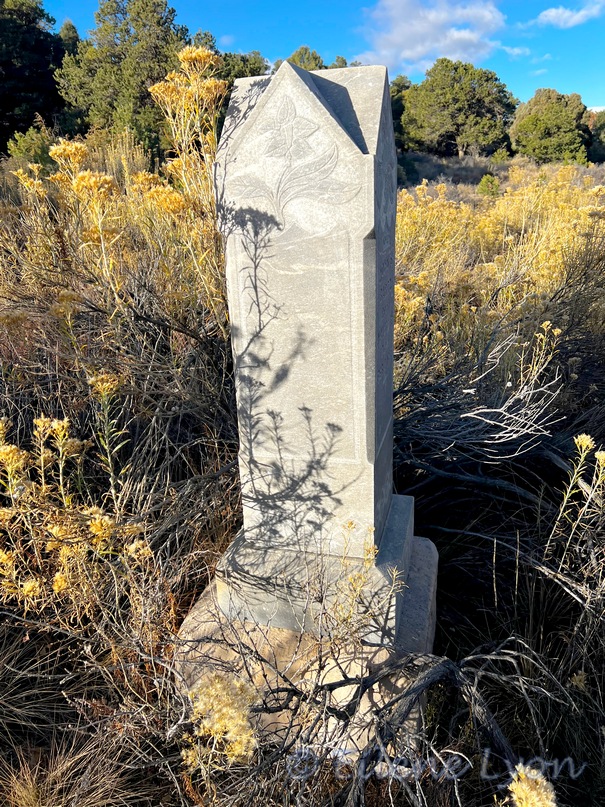
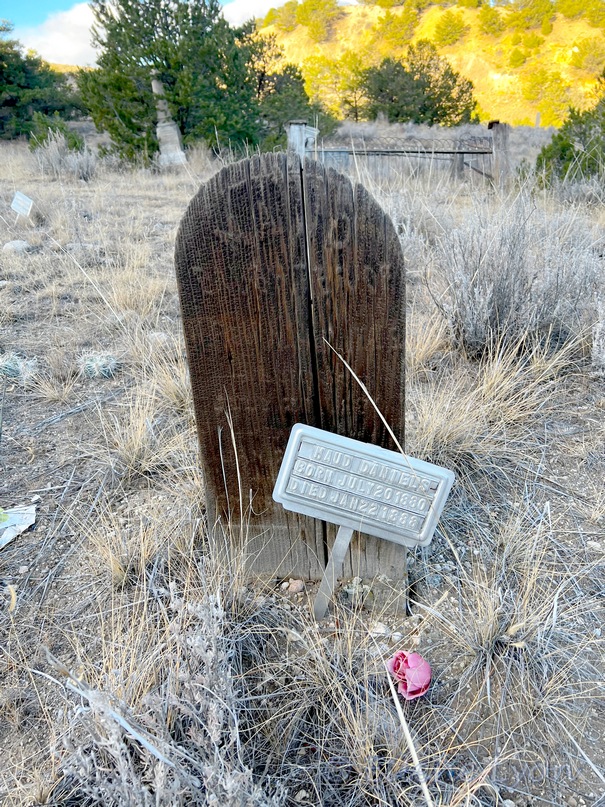
Colorado’s nineteenth-century burial grounds vary from single, unmarked graves to vast cemeteries holding tens of thousands. Each one tells a story. What Lies Beneath explores eight regions of the state and tells the history of each by sharing the stories of those pioneers who made that history happen. It also tells the tale of the removal of Native Americans from their home. And explores various aspects of cemetery lore and symbolism.
Click to see the Table of Contents.
Read about the writing of What Lies Beneath Colorado.
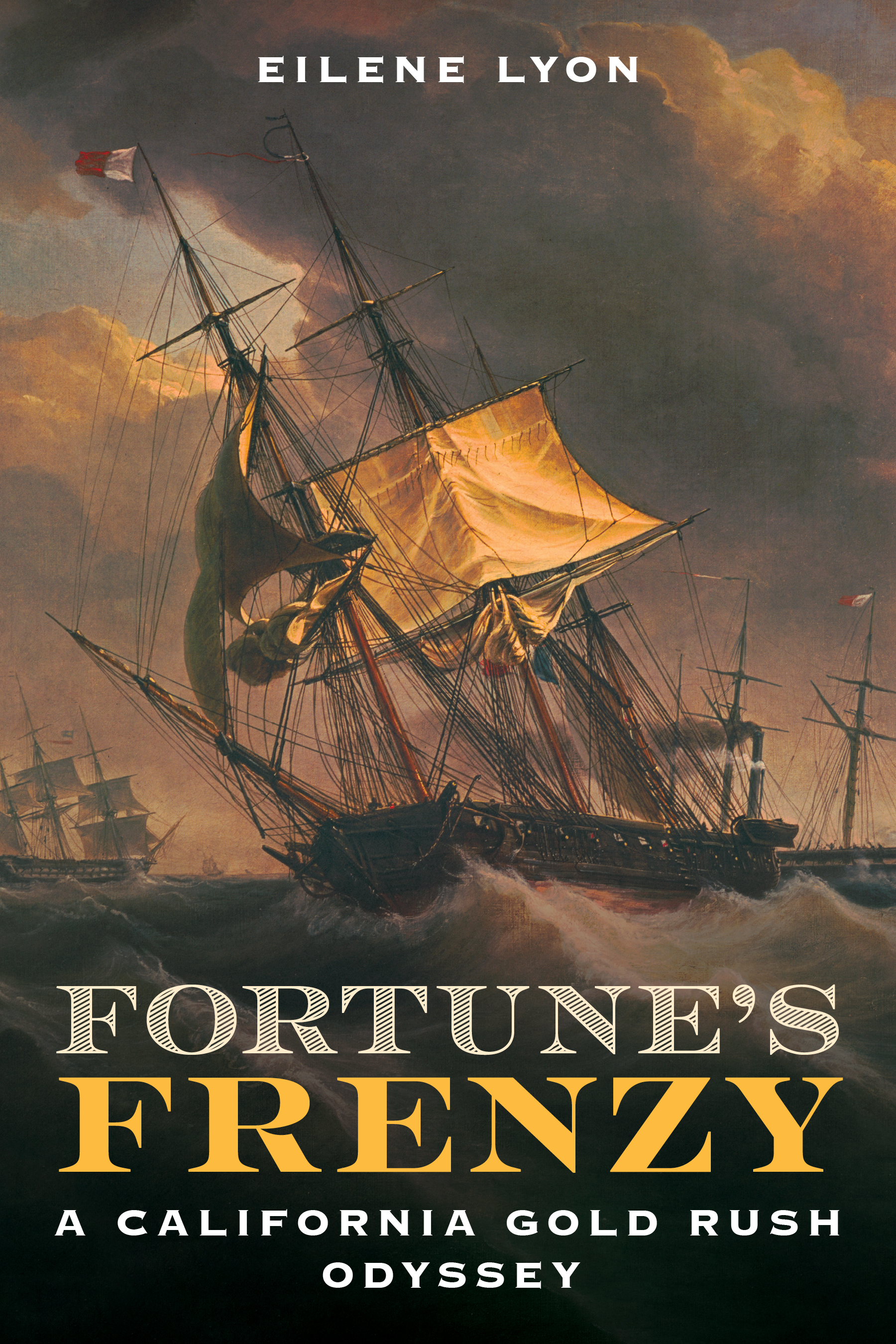
Fortune’s Frenzy: A California Gold Rush Odyssey
When Henry Jenkins’s sawmill business goes bust and his family loses their Indiana farm to foreclosure, he sees gold as the answer to his financial woes. Joining a company of younger men, Jenkins and the other prospective miners sign fraudulent promissory notes to borrow from a ruthless businessman, Allen Makepeace, to reach the gold mines. They sail the risky route via Panama to the mines in 1851. But gold is not so easy to find by then. Making enough to survive and get home will be difficult; repaying Makepeace could be impossible.
As Henry Jenkins becomes mired in mining, his wife, Abby, struggles to meet the needs of her large family amidst crop failures, waves of deadly disease, and harassment by Henry’s creditors. When Henry’s sons-in-law follow in his wake, they find themselves on a notorious death ship, stranded in the vast Pacific. Will any of these frantic men make it home to their distressed families?
Fortune’s Frenzy reveals the plight of miners who borrowed at extortionate rates to get to California, and explores the dangerous and deadly sea routes to the west coast that killed roughly 10 percent of those who risked the journey. Alternating between the miners’ trials and terrors, and the challenges for the wives, children, and mothers left behind, Fortune’s Frenzy delves into the country’s pressing social, economic, and nationalist issues in the pre-Civil War decades. The theme is age-old, and still relevant: desperate people falling for get-rich-quick schemes. They fail to consider the sacrifices they will have to make and the dismal odds of their success.
Read the story behind Fortune’s Frenzy.

** 2024 WWA Spur Award Finalist **

** 2024 Will Rogers Medallion **
How do we remember the forty-niners? … Perhaps we picture a grizzled prospector panning for gold, broke and desperate, praying for the mother lode. Whatever we imagine, according to a new book by Eilene Lyon, the reality was much worse… “Fortune’s Frenzy” recasts a pivotal American myth — that of rugged miners striking out to wrest their fortunes from the land — as a boondoggle, a con. It’s a reminder that since the country was founded, capitalism has been grinding people like Jenkins and Ransom into dust. Once upon a time, the dust was gold. — The New York Times
Richly detailed, this book focuses on a facet of the California gold rush that is largely overlooked in other accounts… Anyone who expects to acquire a balanced, complete understanding of the California gold rush should read this book. ― Roundup Magazine
Fortune’s Frenzy is a romping good read from start to finish. The historical actors are compelling, the writing is crisp, and the storyline is beautifully conceived and skillfully developed. Anyone who enjoys a good, fast-paced historical adventure will find it difficult to put down. More serious readers of the Gold Rush era will also find much to like about this book. Seldom have the human relations of this turbulent time been portrayed so vividly and realistically. College and high school teachers looking to liven up their reading lists for California and U.S. history courses would do well to consider this book. — David Vaught, Professor of History, Texas A&M University, and author of “After the Gold Rush: Tarnished Dreams in the Sacramento Valley”
Work In Progress
The Manifest Destiny of Capt. E. D. Pierce
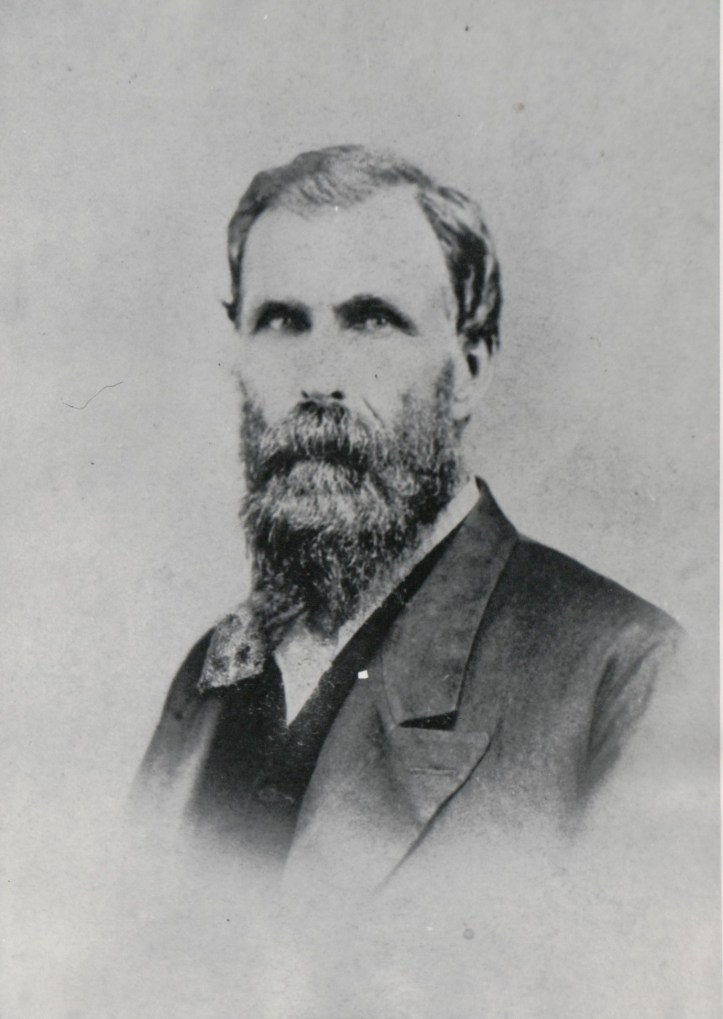
Elias D. Pierce is best known for starting the Clearwater gold rush that led to the creation of Idaho. But he had many adventures prior to 1860. He left his home in western Virginia at age 20 and settled in Blackford County, Indiana. He studied law before going to Mexico during the Mexican-American War.
In 1849, Pierce traveled overland with the argonauts to make his fortune, leaving behind his fiancée, Rebecca Jones. In California he mined, worked as a trader, served in the State Assembly, and became the first to summit Mt. Shasta.
This biography will delve deep into the life of a man who believe wholeheartedly in the concept of Manifest Destiny and his part in “civilizing” the West.
I’ve written several pieces about Pierce on my Myricopia blog to give you some idea about the man.
 Eilene Lyon