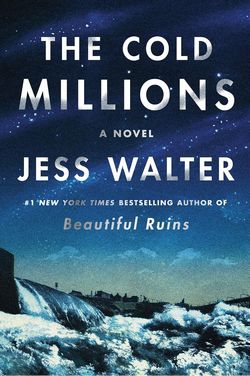
Many pundits have likened our present American society to that of the Gilded Age, making The Cold Millions a relevant historical novel for our times. Set in Spokane, Washington, in 1909, it focuses on the labor struggles of the Industrial Workers of the World (IWW) in the face of a corrupt justice system, bought outright by the millionaire industrialists of the Pacific Northwest.
The protagonist is a 17-year-old orphaned Irish boy, Ryan “Rye” Dolan, who is lured into the IWW free-speech event in Spokane by his older brother, Gregory “Gig” Dolan. The non-violent speakers are beaten, arrested en masse, and thrown into jail, convicted for violating unconstitutional local laws.
A progressive attorney manages to get Rye released from the overcrowded jail. He is soon recruited as a pawn by the wealthy Lem Brand, a mining magnate, who has hired murderous thugs to infiltrate the IWW.
Rye, not knowing whom to trust, but sympathizing with the union, gets caught up in the arrival of IWW spokeswoman Elizabeth Gurley Flynn. Gurley Flynn is one of several historical figures in the book whom Walter uses fictitiously, but in the context of real events. Rye soon realizes this pregnant agitator is the most courageous person he’s ever met.
While it’s unlikely that our country will ever revert to this level of injustice against the working class, it does give one pause. Income inequality in the U.S. has reached an even greater disparity than it was during the Gilded Age, and the incoming federal administration is clearly geared toward further enriching the billionaires in our midst.
We would do well to keep vigilant. Abuses of the powerless in our midst have never gone away. Immigrant children are illegally used in dangerous industries. Unscrupulous employers cheat workers out of pay and benefits. Behemoth companies undermine efforts at unionization. Fighting injustice is never easy and can be a lethal undertaking.
The Cold Millions (a reference to the working poor, or those struggling to survive without employment), shows us a path we should never venture down again.
 Eilene Lyon
The Cold Millions sounds like an important cautionary tale for our current moment in history. We have taken too much for granted for too long.
LikeLiked by 1 person
What happens when we lose a free press? We seem to be heading that way. When that goes, the rest of the Bill of Rights will soon follow.
LikeLiked by 1 person